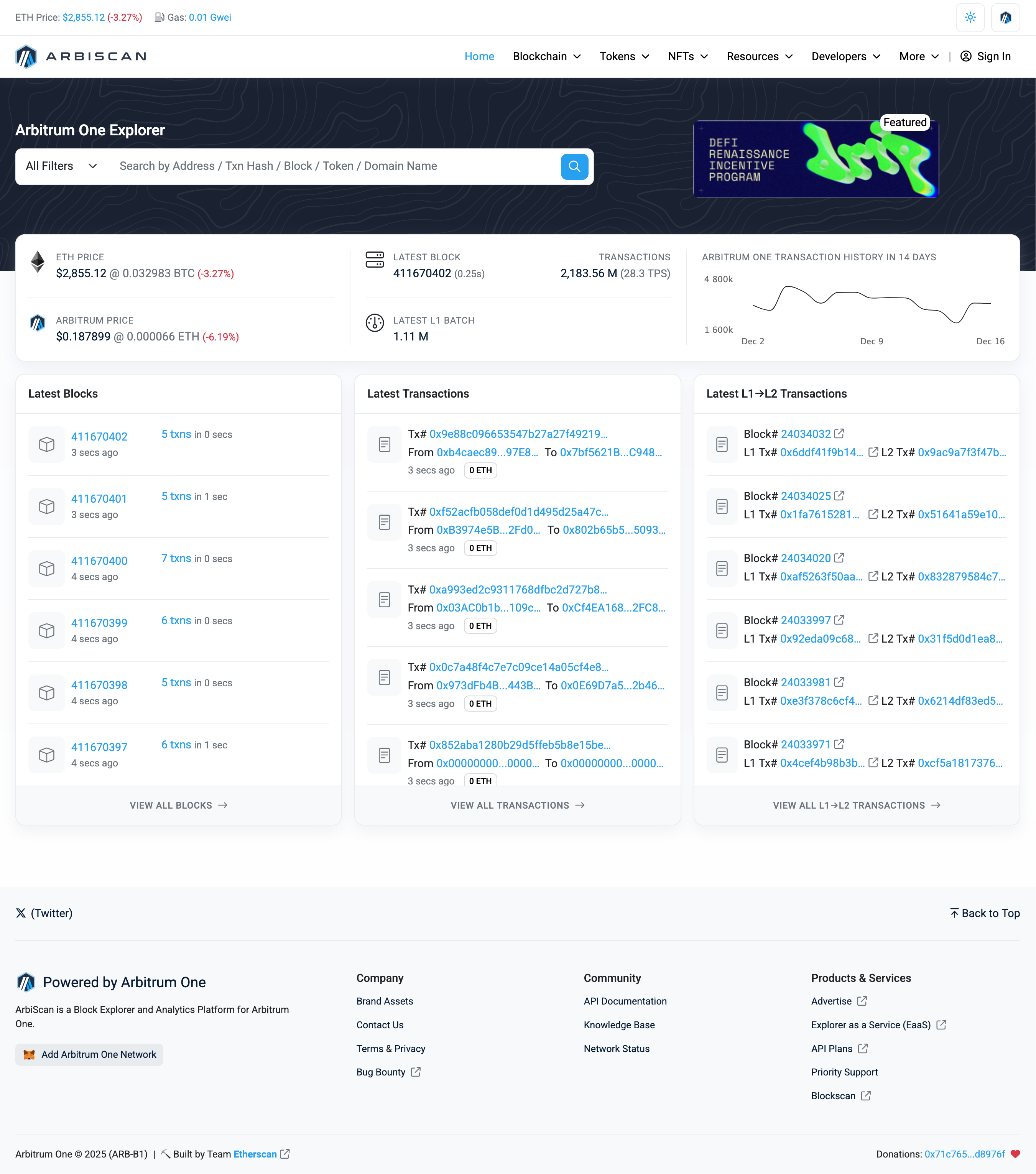
As Ethereum continues to face scalability challenges such as high gas fees and network congestion, Layer 2 solutions have become a critical part of the blockchain ecosystem. Among these solutions, Arbitrum stands out as one of the most widely adopted Ethereum scaling networks. Powering transparency and usability within this ecosystem is Arbiscan, the official blockchain explorer for Arbitrum.
Arbiscan plays a role similar to Etherscan on Ethereum, offering users a window into everything happening on the Arbitrum network. From transaction tracking to smart contract analysis, Arbiscan is an essential tool for developers, traders, and everyday users alike.
What Is Arbiscan?
Arbiscan is a blockchain explorer designed specifically for the Arbitrum network. It allows users to view, search, and verify on-chain data in a user-friendly way. Every transaction, wallet address, token transfer, and smart contract interaction on Arbitrum can be explored and analyzed using Arbiscan.
Built with transparency in mind, Arbiscan ensures that all network activity is publicly accessible and verifiable, reinforcing the trustless nature of blockchain technology.
Understanding Arbitrum and Its Importance
Before diving deeper into Arbiscan, it’s helpful to understand Arbitrum itself.
Arbitrum is a Layer 2 scaling solution for Ethereum that uses Optimistic Rollups to process transactions off-chain while still inheriting Ethereum’s security. This approach significantly reduces gas fees and increases transaction throughput without compromising decentralization.
Because Arbitrum handles a massive volume of transactions, a dedicated explorer like Arbiscan is crucial for monitoring and managing network activity.
Key Features of Arbiscan
1. Transaction Tracking
Arbiscan allows users to search transactions using a transaction hash (TXID). Each transaction page includes:
Transaction status (success or failure)
Block number and timestamp
Sender and recipient addresses
Gas fees and execution cost
Input data and logs
This is especially useful for confirming transfers, debugging failed transactions, or auditing activity.
2. Address and Wallet Analysis
By entering a wallet address, users can view:
ARB and ETH balances
Token holdings (ERC-20, ERC-721, ERC-1155)
Complete transaction history
Interactions with smart contracts
This feature is widely used by traders, analysts, and compliance teams to track on-chain behavior.
3. Token Explorer
Arbiscan provides detailed information about tokens deployed on Arbitrum, including:
Token supply and holders
Transfer history
Contract address and decimals
Verification status
Users can easily distinguish legitimate tokens from suspicious or malicious ones.
4. Smart Contract Verification
Developers can upload and verify smart contract source code on Arbiscan. Verified contracts:
Increase transparency and trust
Allow users to read and interact with the contract directly
Make auditing and debugging easier
Arbiscan also displays contract creation transactions and associated deployer addresses.
5. Gas Tracker and Network Statistics
Arbiscan offers insights into network performance, such as:
Current gas fees
Average block times
Transaction volume
Network utilization trends
These metrics help users optimize transaction timing and costs.
Who Uses Arbiscan?
Arbiscan serves a wide range of users across the crypto ecosystem:
Developers use it to debug contracts, verify deployments, and monitor app performance.
Traders and DeFi users track swaps, bridges, and yield farming activity.
NFT collectors verify minting transactions and ownership history.
Researchers and analysts study on-chain data and network trends.
Everyday users confirm transfers and check wallet balances.
Arbiscan vs. Etherscan
While Arbiscan and Etherscan share a similar interface and functionality, their scope differs:
Feature Arbiscan Etherscan
Network Arbitrum (Layer 2) Ethereum (Layer 1)
Gas Fees Low Often high
Transaction Speed Fast Slower during congestion
Use Case Scaling Ethereum apps Base Ethereum activity
For users operating primarily on Arbitrum, Arbiscan is the more relevant and cost-efficient choice.
Why Arbiscan Matters
Transparency is a cornerstone of blockchain technology, and Arbiscan is a key pillar supporting that transparency on Arbitrum. Without an explorer, users would be unable to independently verify transactions, audit smart contracts, or trust the integrity of the network.
As Arbitrum continues to grow—hosting DeFi protocols, NFT platforms, and gaming applications—Arbiscan’s role becomes increasingly vital.
Conclusion
Arbiscan is more than just a blockchain explorer; it is the backbone of visibility and trust within the Arbitrum ecosystem. By offering powerful tools for transaction tracking, contract verification, and network analysis, Arbiscan empowers users to interact confidently with one of Ethereum’s most important Layer 2 solutions.
Whether you are a developer building decentralized applications, a trader managing assets, or a curious user exploring the blockchain, Arbiscan is an indispensable resource for navigating Arbitrum with clarity and confidence.

AI Website Maker